Learning Outcomes
i. Identify the three main types of RNA: messenger RNA (mRNA), ribosomal RNA (rRNA), and transfer RNA (tRNA).
ii. Describe the distinct roles of mRNA, rRNA, and tRNA in protein synthesis.
iii. Understand the unique structural features of each type of RNA.
i. The RNA Trio: Orchestrating the Symphony of Protein Synthesis
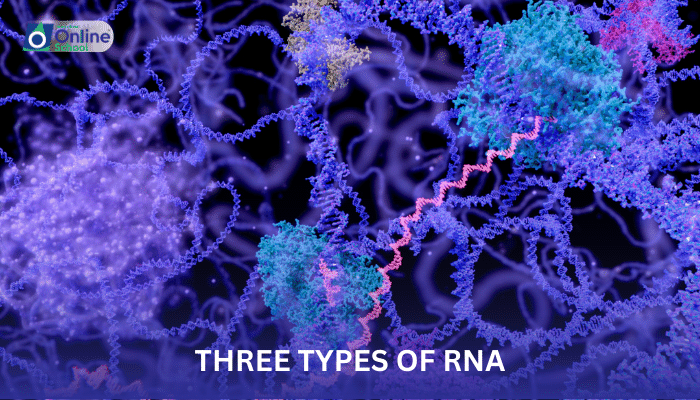
In the intricate orchestra of molecular biology, RNA plays a pivotal role, conducting the synthesis of proteins, the workhorses of cells. RNA exists in three main forms: messenger RNA (mRNA), ribosomal RNA (rRNA), and transfer RNA (tRNA), each playing a distinct and indispensable role in the translation process, the conversion of genetic information from DNA into functional proteins.
ii. Messenger RNA (mRNA): The Genetic Courier
Messenger RNA (mRNA) serves as the genetic courier, carrying the coded instructions from DNA to the ribosomes, the protein-synthesizing machinery of cells. mRNA is synthesized in the nucleus, where it faithfully replicates the sequence of a specific gene from DNA. This mRNA molecule then embarks on a journey to the cytoplasm, where it delivers the genetic message to the ribosome.
iii. Ribosomal RNA (rRNA): The Structural Scaffold of the Ribosome
Ribosomal RNA (rRNA) is the structural backbone of the ribosome, providing the framework upon which protein synthesis occurs. rRNA molecules, the most abundant type of RNA, are synthesized in the nucleolus, a specialized region within the nucleus. Once synthesized, rRNA molecules assemble with ribosomal proteins to form the two subunits of the ribosome, the large and small subunits.
iv. Transfer RNA (tRNA): The Amino Acid Transporter
Transfer RNA (tRNA) acts as the amino acid transporter, delivering the correct amino acids to the ribosome during protein synthesis. There are different types of tRNA molecules, each specific for a particular amino acid. The tRNA molecule has a unique structure, resembling a cloverleaf, with an anticodon, a three-nucleotide sequence that pairs with the complementary codon on the mRNA molecule. This pairing ensures that the correct amino acid is incorporated into the growing polypeptide chain.
v. The Collaborative Symphony of RNA
The three types of RNA work together in a coordinated manner to orchestrate protein synthesis. mRNA delivers the genetic message, rRNA provides the structural framework, and tRNA delivers the amino acid building blocks. This intricate collaboration ensures the accurate translation of genetic information into functional proteins, the essential molecules that power cellular processes and sustain life.
The three main types of RNA – mRNA, rRNA, and tRNA – represent a molecular trio that plays a crucial role in protein synthesis, the process by which genetic information is converted into functional proteins. Each type of RNA has a distinct and specialized function, working together in a harmonious symphony to translate the blueprints encoded in DNA into the intricate machinery of life. Their unique structures and collaborative interactions highlight the remarkable complexity and elegance of molecular biology.
